
Damp is a widespread issue in properties across Leeds but in many cases the root cause is not simply water ingress—it is the use of the wrong construction materials. As a professional providing every damp survey Leeds homeowners depend on, I regularly find that inappropriate modern materials are trapping moisture within buildings and creating long-term damp issues.
Understanding how your property was built and how it is supposed to manage moisture, is essential to preventing these problems.
Why Breathability Matters in Leeds Properties
Many homes in Leeds, particularly older ones were constructed using traditional materials designed to allow moisture to move freely through the structure.
If you are dealing with damp in Victorian house Leeds properties or damp in terrace house Leeds homes, this is especially relevant. These buildings were typically built with solid brick or stone walls, lime mortar and breathable finishes. They were never designed to be sealed.
When moisture enters these structures, whether from rainfall or internal humidity, it is meant to evaporate naturally. This process is known as breathability.
Problems begin when modern non-breathable materials are introduced.
What Happens When Moisture Gets Trapped?
When a building can no longer breathe, moisture becomes trapped within the walls instead of evaporating. Over time this leads to visible and persistent damp issues.
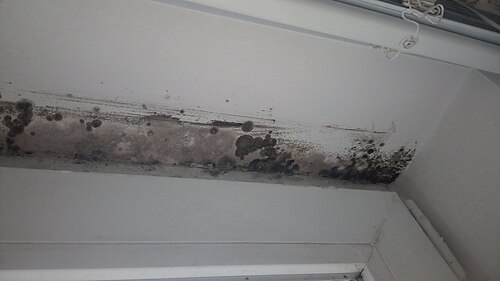
Leeds Homeowners often notice damp patches appearing on internal walls, paint and wallpaper starting to peel, white salt deposits forming on plaster surfaces and mould developing in corners or behind furniture. In more severe cases the building fabric itself begins to deteriorate.
During a damp survey Leeds, these symptoms are frequently linked back to the use of impermeable materials.
External Cement Render and Damp Issues
External cement render is one of the most common causes of trapped moisture in Leeds properties.
Although it is often applied to protect a building from the elements, cement render is not breathable. In older properties especially built out of stone it prevents moisture from escaping through the external walls.
Water can still enter through small cracks or defects in the render but once inside, it becomes trapped. This forces moisture inward resulting in internal damp patches, damaged plaster and a persistent feeling of cold, damp walls.
Cement Pointing and Its Hidden Impact
Repointing brickwork especially stone walls with cement mortar instead of traditional lime mortar can also create significant problems.
Lime mortar allows moisture to evaporate through the joints between bricks. Cement mortar, however, is dense and impermeable. This forces moisture to travel through the bricks themselves which can lead to increased saturation and eventual deterioration.
Internally, this often appears as ongoing damp that seems difficult to resolve, particularly in older terrace properties.
Gypsum Plaster and Internal Damp
Gypsum plaster is commonly used in modern renovations but it is not always suitable for older Leeds homes.
When applied to walls that need to breathe, gypsum can trap moisture beneath the surface. This leads to plaster breakdown, staining and recurring damp patches that reappear even after redecoration.
This is a common issue I identify as a damp surveyor Leeds, particularly in properties where previous work has been carried out without considering the building’s original construction.
Modern Paints and Moisture Problems
Many modern paints, especially vinyl-based emulsions form a barrier that prevents moisture from escaping through walls.
While they may seem durable and attractive they can contribute to damp problems by sealing moisture inside. Over time, this leads to bubbling paint, peeling finishes, and mould growth—particularly in areas with limited ventilation.
Misdiagnosis and Unnecessary Treatments
One of the biggest risks associated with using the wrong materials is misdiagnosis.
Moisture trapped by cement render, gypsum plaster, or impermeable paints is often mistaken for rising damp. This can lead to unnecessary and costly treatments such as chemical damp proof courses.
As an independent damp survey Leeds specialist, I frequently assess properties where homeowners have already spent significant money on solutions that failed to address the real issue.
Why an Independent Damp Survey Matters
If you are unsure who to call for damp problems Leeds, it is important to choose someone who offers unbiased advice.
An independent damp survey Leeds provides a clear and accurate diagnosis without the pressure to sell treatments. As a professional damp surveyor Leeds, my role is to investigate thoroughly, identify the true cause of the damp, and recommend the most appropriate solution.
This often involves addressing the materials used in the building rather than applying unnecessary chemical treatments.
The Right Approach to Solving Damp
Solving damp caused by non-breathable materials usually involves reinstating the building’s ability to breathe.
This may include removing cement-based renders or pointing and replacing them with lime-based alternatives, using breathable plasters instead of gypsum, and applying vapour-permeable paints.
By allowing moisture to evaporate naturally, the building can return to a balanced and dry condition.
Final Thoughts
Damp problems in Leeds homes are often the result of well-meaning but inappropriate repairs and renovations.
Using non-breathable materials such as cement render, cement pointing, gypsum plaster and modern paints can trap moisture within walls and create persistent damp issues—particularly in older properties.
If you are experiencing damp in Victorian house Leeds homes or damp in terrace house Leeds properties, it is essential to consider whether the materials used in your home are contributing to the problem.
A professional damp survey Leeds carried out by an experienced damp surveyor Leeds will identify the true cause and help you avoid unnecessary work, ensuring the right solution is applied for long-term results.
Choosing an independent damp survey Leeds expert means you get honest, informed advice focused on solving the problem properly—protecting your home now and in the future.
