Damp is one of the most common (and frustrating) issues homeowners face across Leeds. Whether you’re dealing with peeling paint, musty smells, or visible mould, understanding the type of damp affecting your property is the first step toward fixing it properly.
In this guide, we’ll break down the differences between rising damp, penetrating damp and condensation while also covering the signs of damp in house Leeds, what causes it, and why so many homeowners struggle—especially in winter.
What Are the Main Types of Damp?
1. Rising Damp
Rising damp occurs when groundwater travels upward through porous building materials like brick and mortar.
What causes damp in Leeds homes (rising damp specifically)?
Failed or missing damp-proof course (common in older Leeds terraces)
High external ground levels
Poor drainage around the property
Signs of damp in house Leeds (rising damp):
Tide marks or staining on lower walls (usually up to 1 metre high)
Crumbling plaster or skirting boards
White powdery deposits (salts) on walls
Damp walls Leeds at ground-floor level
Rising damp is often misdiagnosed, so it’s important to rule out other causes before treatment.
2. Penetrating Damp
Penetrating damp is caused by water entering your home from the outside due to structural issues.
What causes damp in Leeds homes (penetrating damp)?
Damaged brickwork or pointing
Leaking roofs or gutters
Cracked render or walls exposed to heavy rain
Faulty window seals
Leeds’ frequent rainfall and older housing stock make this a common issue especially in exposed areas.
Signs of damp in house Leeds (penetrating damp):
Damp patches on walls or ceilings that worsen after rain
Localised damp (not uniform like condensation)
Peeling paint or bubbling plaster
Damp walls Leeds on upper floors or external-facing walls
3. Condensation
Condensation is the most widespread type of damp—and often the most misunderstood.
It occurs when warm, moist air hits cold surfaces, turning into water droplets.
Condensation problems Leeds: Why so common?
Cold winters and high humidity
Poor ventilation in modern sealed homes
Everyday activities (cooking, showering, drying clothes indoors)
Why is my Leeds house damp in the winter?
During winter:
Windows and walls get colder
Homes are less ventilated (windows stay shut)
Moisture builds up indoors
This creates the perfect conditions for condensation.
Signs of damp in house Leeds (condensation):
Water droplets on windows
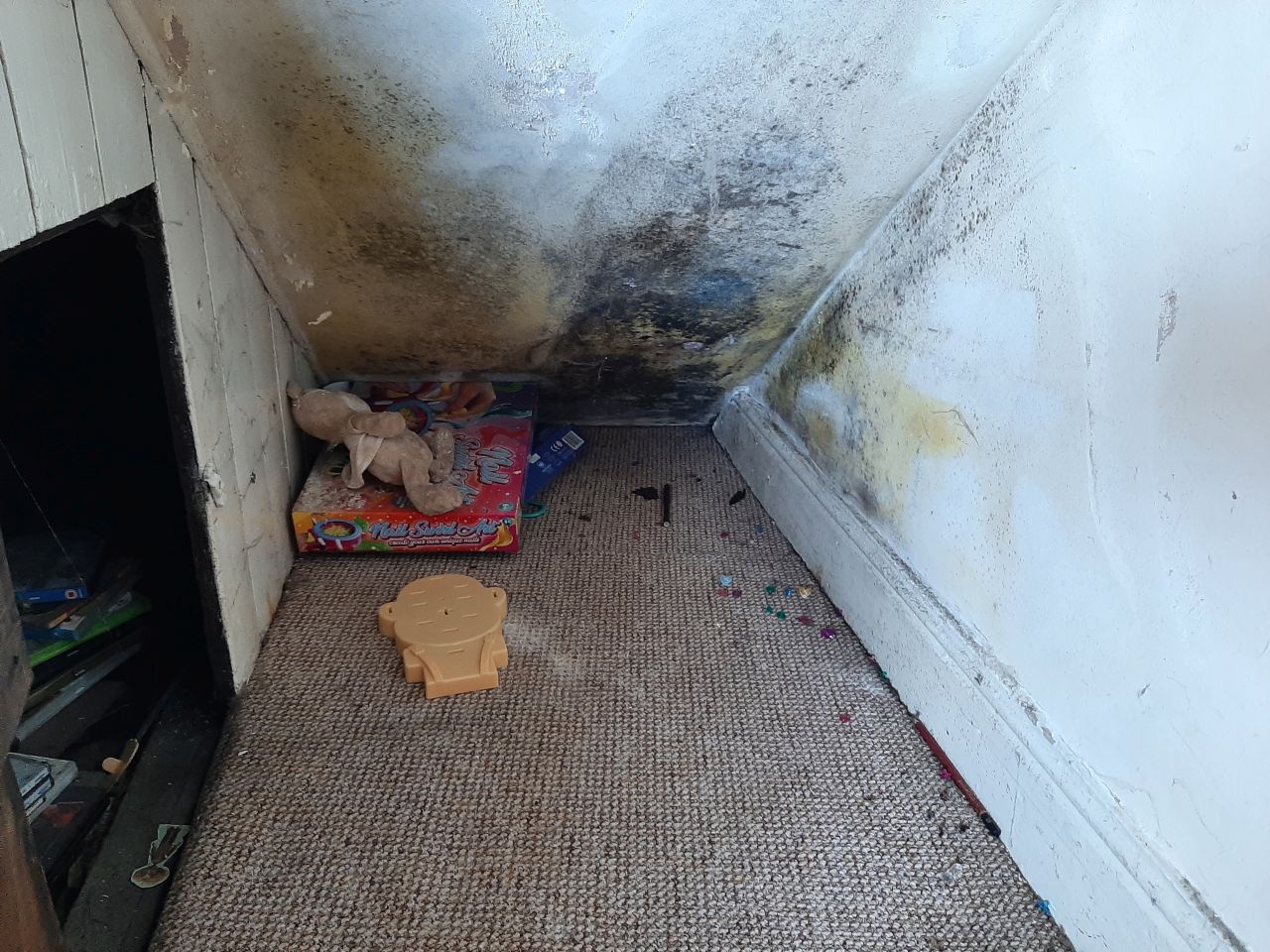
Black mould in house Leeds, especially around windows and corners
Musty smell
Damp walls Leeds in poorly ventilated rooms
Black Mould in House Leeds: A Key Warning Sign
If you’re seeing black mould it’s almost always linked to condensation rather than rising damp.
Mould thrives in:
Bathrooms
Kitchens
Bedrooms with poor airflow
Aside from damaging your home, it can also impact health—especially for those with asthma or allergies.
How to Tell the Difference
Here’s a simple way to distinguish the three:
| Feature | Rising Damp | Penetrating Damp | Condensation |
| Location | Ground floor walls | Anywhere (often external walls/ceilings) | Windows, corners, cold surfaces |
| Pattern | Even horizontal tide marks | Localised patches | Widespread moisture |
| Seasonality | Constant | Worse after rain | Worse in winter |
| Main cause | Groundwater | External defects | Indoor humidity |
Damp Walls Leeds: Why You Shouldn’t Ignore It
No matter the type, damp won’t fix itself. Left untreated, it can:
Damage plaster, paint, and structure
Reduce property value
Lead to persistent black mould in house Leeds
Increase heating costs
Final Thoughts
Understanding the difference between rising damp, penetrating damp, and condensation is essential for any homeowner in Leeds. Each type has different causes and solutions, so correct diagnosis is key.
If you’re noticing:
Damp walls Leeds
Condensation problems Leeds
Black mould in house Leeds
Or wondering why is my Leeds house damp in the winter
…it’s time to investigate further before the issue worsens.
